25 July, 2026
Saturday
NEWS

The Reality of Low Season: Why Thailand After Songkran Is Quieter, Cheaper, and More Local
Every year, Thailand changes mood almost overnight.
For months, from Halloween through Christmas, New Year, Chinese New Year and finally Songkran, the country runs at full speed. Bangkok is busy. Pattaya is busy. Phuket, Hua Hin, Chiang Mai, the islands and the major nightlife zones all feel the pressure of high season. Hotels fill, airfares rise, bars hire more staff, restaurants extend shifts, massage shops are busier, and tourism-facing businesses prepare for the rush.
Then Songkran ends.
The water guns disappear, the streets dry out, the airport queues soften, and Thailand quietly enters what many people in the industry still call low season.
Officially and practically, this is the quieter period after Thai New Year, when tourist numbers usually soften and the weather begins moving toward the rainy season. Thailand’s tourism calendar is often described as strongest from around November through April, with the wetter and quieter period typically running from May through October. Thailand’s own tourism weather guidance describes the country as having a wet season lasting around six months, followed by cooler and hotter periods through the year.
But the term “low season” does not tell the full story.
For businesses, low season is not just about fewer tourists. It is a complete operating cycle. Many bars, clubs, massage shops, restaurants, hotels and tourist-focused businesses plan staffing reductions almost immediately after Songkran. Part-time and casual staff are often the first to leave. In many cases, this is not a surprise; it is already planned months in advance.
Many workers come to Bangkok, Pattaya, Phuket, Hua Hin and other tourist zones to earn money during the busy months. After Songkran, they return to their home provinces and villages, where life is cheaper, family is closer, and there is less pressure to remain in the city when shifts become harder to find.
This creates a noticeable post-Songkran exodus. Bangkok feels quieter. Tourist areas feel less crowded. Some businesses reduce opening hours. Some venues run with smaller teams. In some resort towns, operators even choose to close temporarily because staying open through the quietest months can cost more than shutting down and reopening later.
That reality is especially visible in places that depend heavily on short-stay tourism. Pattaya, Phuket, Hua Hin and the islands can feel the seasonal drop more sharply than areas with strong local and expat support.
Bangkok is different.
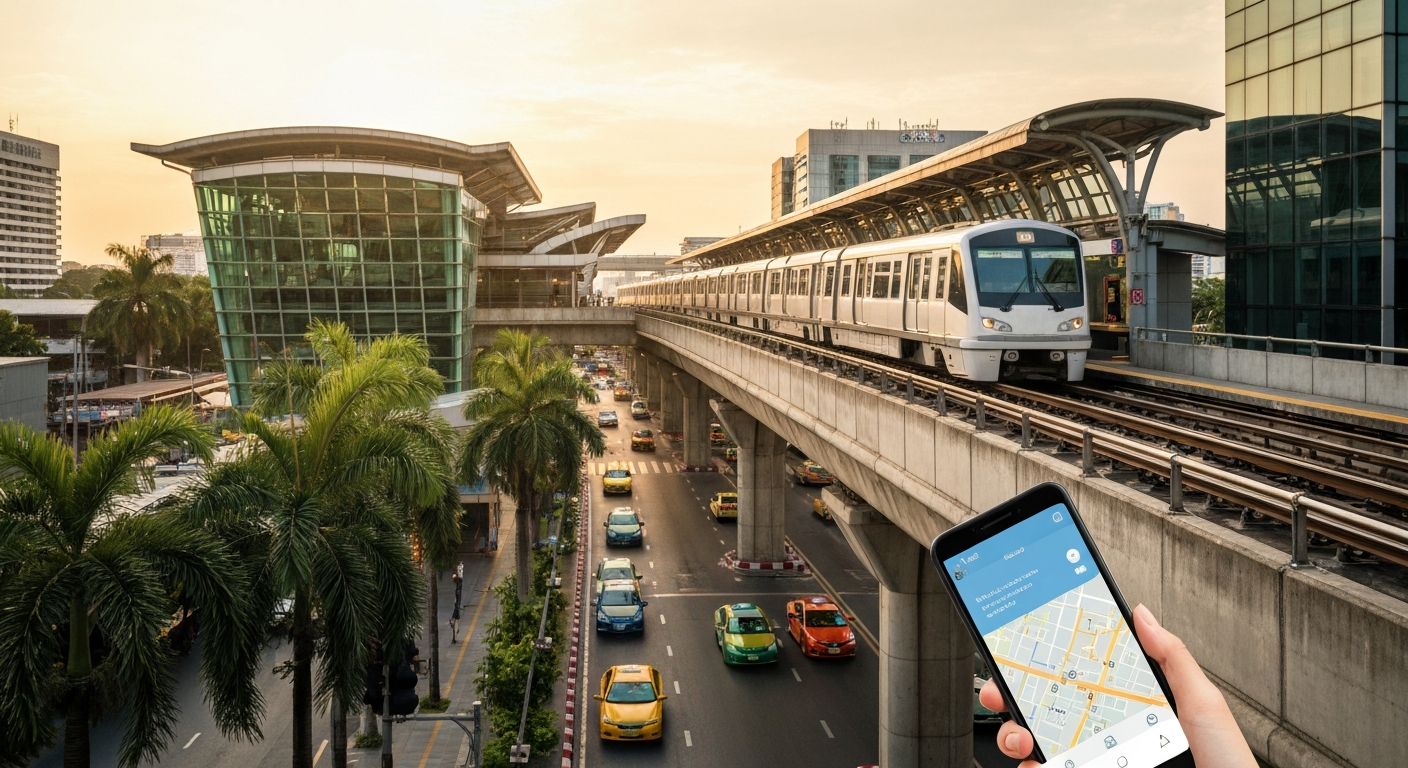
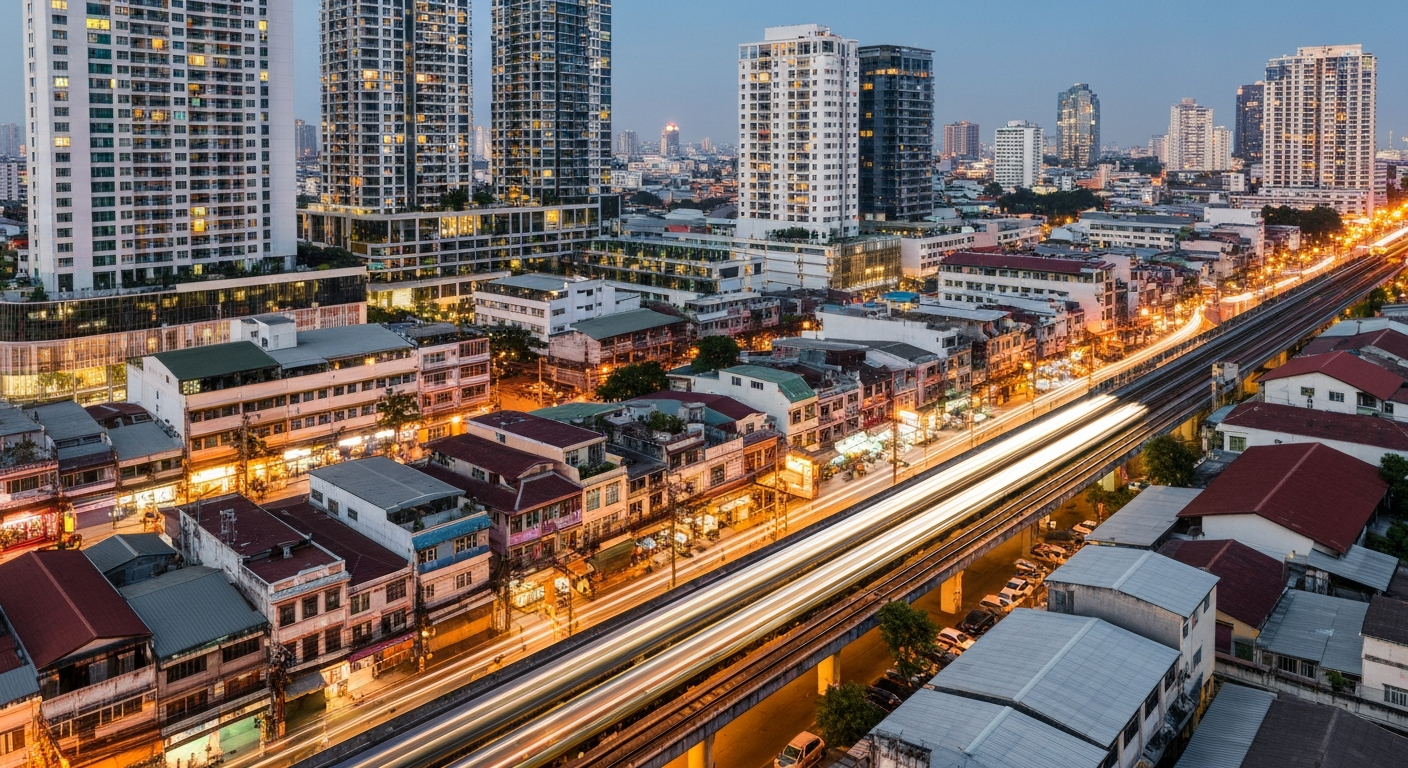
Areas such as Silom, especially Silom Soi 4 and the surrounding LGBTQ+ nightlife district, do feel the change, but often not as severely as resort destinations. Silom has a strong base of Thai regulars, Bangkok residents and long-term expatriates. For many people, it is not only a tourist nightlife zone; it is a regular meeting place, a social street, and part of everyday Bangkok life.
That gives it a resilience that some purely tourist-driven areas do not have.
This year, the low season story also feels more complicated. Songkran 2026 itself was strong, with the Tourism Authority of Thailand reporting that the festival was expected to generate more than 30.35 billion baht nationwide, up 6% year-on-year. But once the festival ended, many travellers left quickly, and operators across the country began to feel the familiar post-holiday slowdown.
There are also wider economic reasons why travel patterns are changing. Higher travel costs, more expensive tickets, regional uncertainty and tighter personal budgets mean some visitors are simplifying their holidays. Instead of flying into Bangkok and then travelling onward to Pattaya, Hua Hin, the islands, Cambodia or Vietnam, more people are choosing to stay in Bangkok and return home directly.
The regional situation has also affected travel confidence. Thailand-Cambodia tensions and border restrictions have made some overland travel routes less straightforward than in previous years, although the main tourism destinations in Thailand continue to operate normally. Reuters reported in 2025 that Thailand closed border crossings with Cambodia to most travellers during the escalation, while more recent reporting has noted continued diplomatic efforts to improve Thai-Cambodian relations.
For travellers, however, low season can be one of the best times of year to visit Thailand.
The crowds are smaller. Hotels are often cheaper. Tours are easier to book. Restaurants and bars have more time for customers. Staff are less rushed. In many cases, the experience feels more personal and more relaxed.
Low season is also when travellers can find some of the best value in Thailand. Discounted hotel rates, quieter streets and more flexible service can make the same trip feel more comfortable and far less expensive than it would during peak season. Industry reports this year have pointed to sharp hotel discounts in parts of the market as operators compete for bookings during a softer period.
Yes, this period is often called rainy season. But rain in Thailand does not always mean grey skies all day. In Bangkok especially, many rainy-season days are still hot and bright, with rain arriving in short bursts rather than lasting from morning until night. The Thai Meteorological Department’s late-April forecast described hot to very hot weather in upper Thailand, with isolated thundershowers and summer storms rather than continuous rain.
For many regular visitors, that is part of the appeal. Come prepared, carry an umbrella, avoid outdoor plans during the heaviest afternoon rain, and low season can be a better experience than high season.
This is especially true for regular Thailand travellers, long-stay visitors, digital nomads, returning expats and LGBTQ+ travellers who know the country well. Many of them actively avoid Songkran and the busiest tourist months. They prefer the quieter version of Thailand: easier tables, easier hotel bookings, friendlier prices, and fewer crowds.
That is why the phrase “low season” may soon become outdated.
Thailand is no longer simply switching from “busy” to “dead.” Instead, the country is seeing a change in the type of visitor. High season brings first-time tourists, families, holiday groups and people chasing the classic Thailand experience. Low season brings regulars, repeat visitors, expats, regional travellers, event-goers and people who already understand how Thailand works.
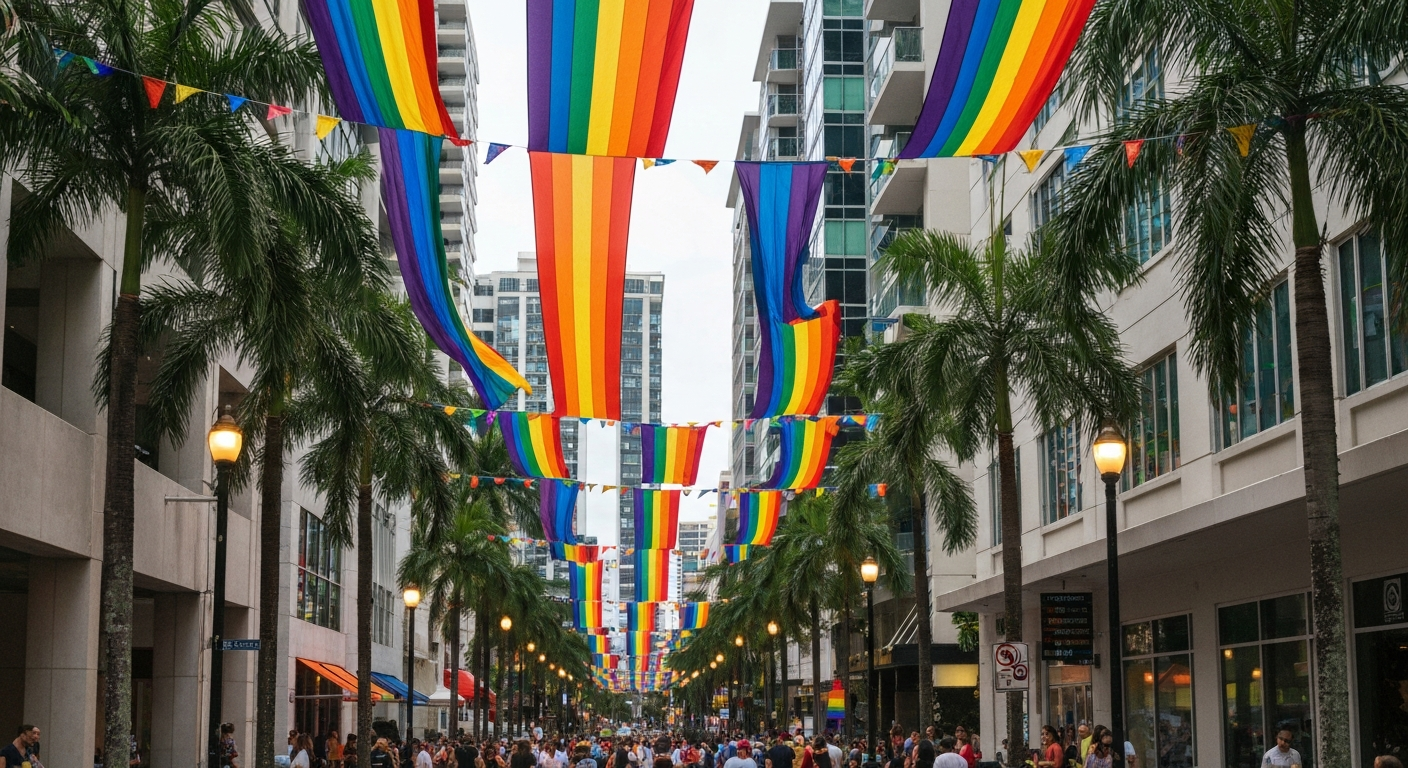
Bangkok Pride is a perfect example of why the old seasonal calendar is changing. Bangkok Pride Festival 2026 is scheduled for May 28–31, with the parade planned for Silom Road on May 31, according to event information published by BACC. Events like this help fill the traditional low-season gap and bring people into the city for reasons beyond beach holidays and peak-season tourism.
Add in EDM parties, LGBTQ+ events, local festivals, food tourism, wellness travel and Bangkok’s year-round nightlife, and low season starts to look less like a collapse and more like a reset.
For businesses, the challenge is adapting. Some will cut back. Some will close temporarily. Some will wait for high season to return. But the smarter operators will use this quieter period to rebuild, repair, improve their venues, train staff, refresh menus, create events, and target the customers who actually prefer Thailand when it is less crowded.
For travellers, the opportunity is clear.
Thailand after Songkran is quieter, cheaper and often more authentic. You may not get the packed streets of December or the chaos of Songkran, but you may get something better: time, space, better value, and a more personal connection with the places you visit.
Low season is not the end of Thailand’s tourist year.
It is the start of a different Thailand — one that regular visitors already know, and one that more travellers are beginning to discover.
Recent News