25 July, 2026
Saturday
NEWS
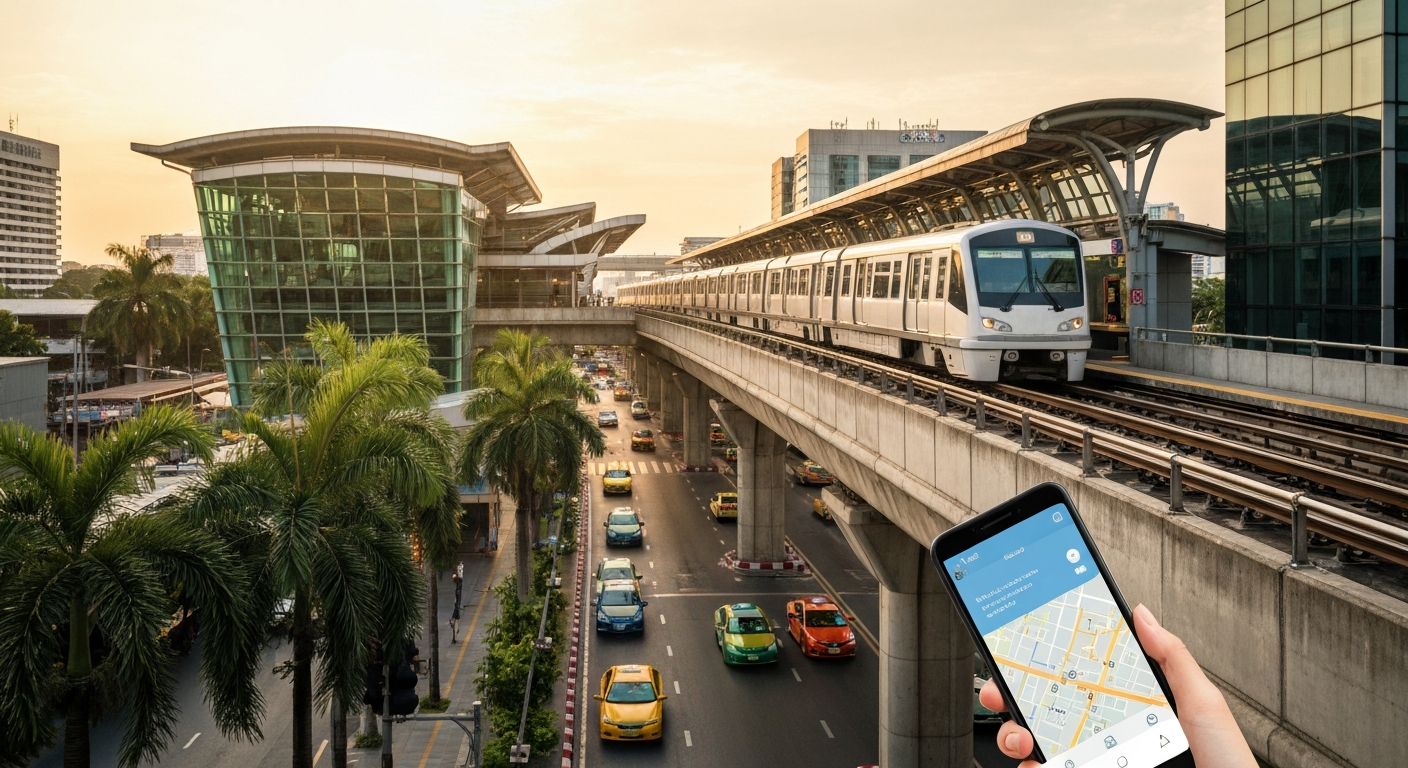
How to Use BTS, MRT, Grab, and Taxis Safely in Bangkok — A Transport Guide for LGBTQ Travellers
How to Use BTS, MRT, Grab, and Taxis Safely in Bangkok — A Transport Guide for LGBTQ Travellers
Bangkok's transport network can feel overwhelming the first time you arrive — a tangle of elevated trains, underground subways, ride-hailing apps, colourful tuk-tuks, and meter taxis that may or may not agree to use the meter. But once you understand the basics, getting around becomes surprisingly easy. This guide covers every option that matters for LGBTQ visitors, with practical tips on reaching Silom's gay nightlife, the big shopping malls, the temples, and both airports — all while staying safe and saving money.
The BTS Skytrain — Bangkok's Most Tourist-Friendly Transport
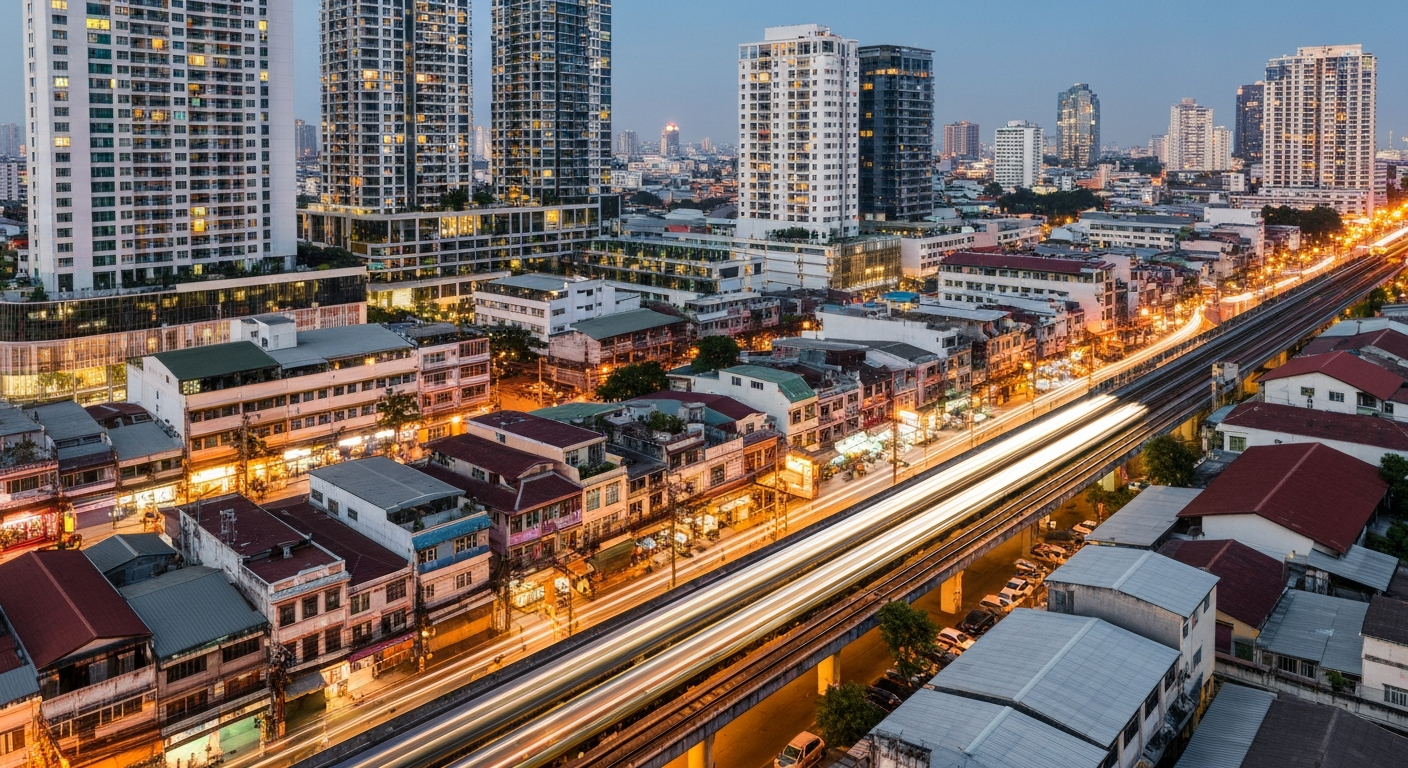
The BTS Skytrain is an elevated rail network that runs above Bangkok's notorious traffic on two main lines: the Sukhumvit Line (light green) and the Silom Line (dark green). For most visitors, the BTS is the fastest and most comfortable way to move around central Bangkok.
Trains are fully air-conditioned, arrive every 2–7 minutes, and run from 6:00 AM to midnight daily. All station signage and announcements are in English, so you won't get lost. Fares range from 16 to 62 THB (roughly US$0.45–1.75) depending on distance — a fraction of what you'd pay for a taxi covering the same route.
Key BTS stations every LGBTQ visitor should know:
- Sala Daeng — This is your stop for Silom, Bangkok's main LGBTQ nightlife district. Silom Soi 4 and Soi 2, home to the city's most popular gay bars, are a 5-minute walk from the station. Sala Daeng also connects directly to the MRT at Si Lom station.
- Siam — The central interchange where the Sukhumvit and Silom lines meet. Surrounded by Siam Paragon, CentralWorld, MBK Centre, and Siam Square — Bangkok's biggest shopping hub.
- Asok — Connects to the MRT Sukhumvit station. Right at Terminal 21 shopping mall and a short walk to Sukhumvit's hotels and restaurants.
- Saphan Taksin — The gateway to the Chao Phraya River. From here you can catch river boats to the Grand Palace, Wat Arun, Wat Pho, ICONSIAM, and Asiatique night market.
- Mo Chit — For Chatuchak Weekend Market (15,000+ stalls), one of the world's largest outdoor markets. Also connects to MRT Chatuchak Park.
- National Stadium — Direct access to MBK Centre and the Bangkok Art and Culture Centre. Also near the Jim Thompson House Museum.
BTS Tickets and Cards
You have three main options:
- Single Journey Ticket — Buy at vending machines or ticket counters. Machines accept coins and some accept banknotes. Price starts at 17 THB and goes up based on distance. Good for one or two rides.
- Rabbit Card — A stored-value card that costs 200 THB (includes 100 THB issuance fee and 100 THB travel value). Tap in and out at gates. Valid for 7 years, and you can top up at any BTS station. Best value if you're staying 3+ days and plan to use the BTS regularly.
- One-Day Pass — 150 THB for unlimited rides on both BTS lines for the day. Only worth it if you're planning 6+ trips in a single day.
Visitor tip: Avoid peak hours (7:00–9:00 AM and 4:30–7:00 PM on weekdays) if you're travelling with luggage — trains get extremely crowded.
The MRT Subway — Connecting the Gaps
The MRT (Metropolitan Rapid Transit) is Bangkok's underground and elevated subway system. The Blue Line is the most useful for visitors — it runs in a loop connecting Hua Lamphong (near Chinatown), Silom, Sukhumvit, Chatuchak, and the old town areas that the BTS doesn't reach.
MRT fares range from 16 to 42 THB and trains run 6:00 AM to midnight. The MRT uses its own stored-value card (separate from the Rabbit Card), but for short stays, single-trip tokens from the vending machines work fine.
Key MRT interchanges with the BTS:
- Si Lom MRT ↔ Sala Daeng BTS — Direct covered walkway connection. This is your Silom/LGBTQ nightlife interchange.
- Sukhumvit MRT ↔ Asok BTS — Another direct connection via skywalk, right at Terminal 21.
- Chatuchak Park MRT ↔ Mo Chit BTS — For Chatuchak Weekend Market access.
Visitor tip: BTS and MRT are separate systems run by different companies. You need separate tickets for each, even when changing at an interchange station. Plan for this when calculating your transport budget.
Getting To and From the Airports
Suvarnabhumi Airport (BKK): The Airport Rail Link connects the airport to Phaya Thai station in about 26 minutes. It costs just 15–45 THB depending on the service type — by far the cheapest way into the city. From Phaya Thai, you can connect directly to the BTS Sukhumvit Line. The Airport Rail Link runs from roughly 6:00 AM to midnight.
Don Mueang Airport (DMK): There's no direct rail link yet, but the SRT Red Line connects to Bang Sue Grand Station, from where you can transfer to the MRT Blue Line. Alternatively, Grab or a metered taxi is the most practical option — expect to pay roughly 300–500 THB including tolls to reach central Bangkok.
Both airports have designated Grab pickup points with clear signage — follow the "Ride-Hailing Pickup" signs rather than hailing on the street.
Grab — The Easiest Way to Get Around
Grab is Southeast Asia's equivalent of Uber and it's the dominant ride-hailing app in Thailand. Uber and Lyft do not operate in Bangkok — Grab is your only major app option, although Bolt is available as a cheaper (but less reliable) alternative.
What you need to know before using Grab:
- You need a local SIM card to register. Grab only accepts phone numbers from countries where it operates. Pick up a Thai tourist SIM at the airport or any 7-Eleven (roughly 200–300 THB for a data package).
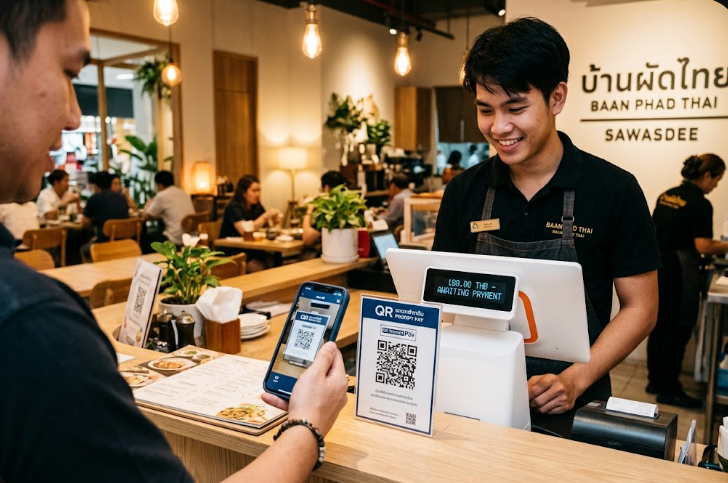
- Payment options: Cash or international credit card linked in the app. Having a card on file is more convenient — no fumbling for change.
- Typical prices: Short rides within central Bangkok cost 100–200 THB. Longer cross-city trips run 300–600 THB. Prices surge during rush hour and heavy rain.
- Watch for tolls: If your route uses expressways, tolls (50–100 THB) are not included in the quoted fare. Keep small cash handy for toll booths.
- Grab is very safe. Drivers are GPS-tracked, and the app alerts both you and Grab if a driver deviates from the route. You can share your trip with a friend via the app.
Bolt is a viable backup if Grab can't find a driver — it's often 10–30% cheaper — but in quieter areas or late at night, Bolt drivers can be scarce.
Visitor tip: Before confirming your Grab ride, check the app for hidden discount vouchers. Grab often has promotions worth 30–150 THB off — but you need to manually select them. Also, carry small bills (20s and 100s). Many drivers don't have change for 1,000 THB notes.
Taxis — Cheap but Requires Caution
Bangkok's iconic pink, yellow, and green taxis are everywhere, and they're genuinely affordable — if the driver uses the meter. A cross-town trip rarely exceeds 150–200 THB with the meter running.
Essential taxi rules for visitors:
- Always insist on the meter. If a driver refuses, simply wave them off and flag the next one. Taxis waiting outside tourist attractions and hotels are the most likely to demand a fixed (inflated) price. Walk 50 metres to the main road and flag a moving taxi instead — your chances of getting the meter go up dramatically.
- Have your destination written in Thai or show it on your phone map. Many taxi drivers speak limited English. Your hotel's business card with the address in Thai is perfect for this.
- Carry small bills. Drivers often claim they don't have change for large notes. Paying with 100s or smaller avoids the issue.
- Tolls are extra. If the driver takes an expressway, you pay the toll at the booth — typically 25–75 THB per segment.
- Use Grab instead at night or in tourist-heavy areas. Late at night around Silom or Sukhumvit, taxis frequently refuse the meter and demand inflated fixed prices. Grab solves this entirely — you see the price upfront.
Tuk-Tuks — Fun Once, Not for Everyday
The three-wheeled tuk-tuk is Bangkok's most famous transport icon, and a short ride through the city's neon-lit streets is a fun experience. But for practical daily transport, they're rarely the best choice.
- Prices: Expect to pay 100–300 THB for a ride within central Bangkok — usually more than a metered taxi covering the same route.
- Always negotiate the price before getting in. Agreeing on a price upfront avoids unpleasant surprises.
- Watch for the "temple/gem shop/suit shop" detour. Some tuk-tuk drivers offer suspiciously cheap rides (like 20 THB) and then take you to a tailor or jewellery shop where they earn a commission. Politely decline any ride that seems too cheap.
For LGBTQ visitors returning from Silom's bars late at night, a Grab car or a metered taxi from a moving taxi on the main road is a safer and more predictable option than negotiating with a tuk-tuk driver at 2:00 AM.
Getting to Silom's LGBTQ Nightlife
Silom is Bangkok's main gay district, and it's exceptionally well connected. The Sala Daeng BTS station (Silom Line) and Si Lom MRT station (Blue Line) sit right at the heart of the action. Silom Soi 4 — home to iconic venues like DJ Station, G.O.D., and Telephone Pub — is a 5-minute walk from either station.
If you're staying in Sukhumvit (another popular area for LGBTQ travellers), the BTS Silom Line takes you directly from Siam interchange to Sala Daeng in about 10 minutes. A Grab from Sukhumvit Soi 11 to Silom Soi 4 costs roughly 120–180 THB at off-peak hours. At 1:00 AM when the bars close, expect surge pricing — but even then, it's rarely above 300 THB.
For visitors staying near the Chao Phraya River (Riverside area), take the river boat to Saphan Taksin BTS, then ride the Silom Line two stops to Sala Daeng. It's a scenic, affordable route that avoids road traffic entirely.
Practical Visitor Tips — At a Glance
- Get a local SIM card at the airport. A Thai number lets you register for Grab, use Google Maps, and stay connected. Tourist SIMs with 15–30 days of data cost 200–400 THB at AIS, TrueMove, or dtac counters in the arrivals hall.
- Download Grab and Bolt before you fly. Set them up after you get your Thai SIM. Having both apps gives you a backup if one can't find a driver.
- Screen-shot or download a BTS/MRT map before heading out so you can reference it without needing data. Google Maps works well for public transport directions in Bangkok.
- Carry small bills (20s, 50s, 100s). Essential for taxi meters, toll booths, street food, and tuk-tuks. Break 1,000 THB notes at 7-Eleven or supermarkets.
- Use the BTS and MRT during rush hour. From 4:30–7:00 PM, a trip that takes 15 minutes by train can take over an hour by car. The trains are crowded but they move — the roads don't.
- Grab from Silom late at night is the safest option. Pre-booked, tracked, and with a fixed price — no negotiation, no surprises. Share your trip with a friend via the app for extra peace of mind.
Suggested Related Articles on PrideThailand.com
- Best Areas to Stay in Bangkok for LGBTQ Travellers — Compare Silom, Sukhumvit, Siam, Riverside, and Old Town to find the right neighbourhood for your trip.
- First-Time LGBTQ Visitor's Guide to Bangkok — Everything you need to know before your first trip, from arrival tips to nightlife etiquette.
- Why Silom Is Bangkok's Main LGBTQ Travel Area — A deep dive into the bars, clubs, saunas, and community spaces that make Silom the heart of gay Bangkok.
Planning your Bangkok trip? Bookmark PrideThailand.com — we're your local LGBTQ travel guide, written by people who actually live here. From transport tips to nightlife guides, neighbourhood breakdowns, and Pride event coverage, we help you experience Thailand confidently and authentically. Safe travels — and see you on the BTS.
Recent News