26 August, 2026
Wednesday
NEWS

First-Time LGBTQ Visitor's Guide to Bangkok: Everything You Need to Know
Welcome to Bangkok — One of Asia's Most Welcoming Cities
Bangkok is one of the most LGBTQ-friendly cities in Asia, and for good reason. The city has a long-standing reputation for tolerance, a vibrant and visible LGBTQ nightlife scene, and a genuine warmth that makes most visitors feel welcome from the moment they arrive. If you're a first-time visitor, you are in for an unforgettable trip — but knowing a few practical things before you go will make your experience smoother, safer, and a lot more fun.
This guide is written from a local perspective to help you navigate your first visit with confidence. No invented facts, no hype — just honest, useful advice for LGBTQ travellers heading to the Thai capital.
Where to Stay: Pick the Right Neighbourhood
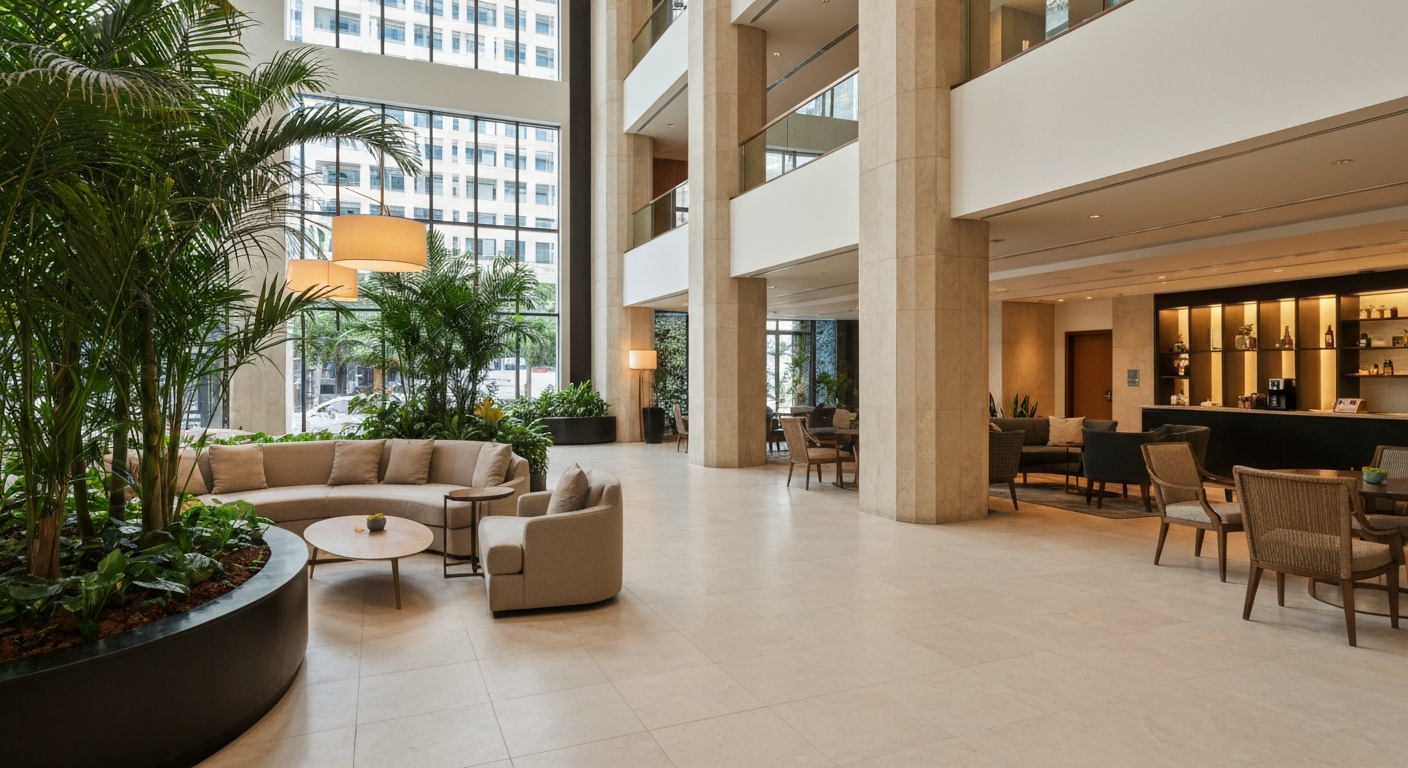
Choosing the right area to stay makes a huge difference for first-time visitors. Here are the best neighbourhoods for LGBTQ travellers:
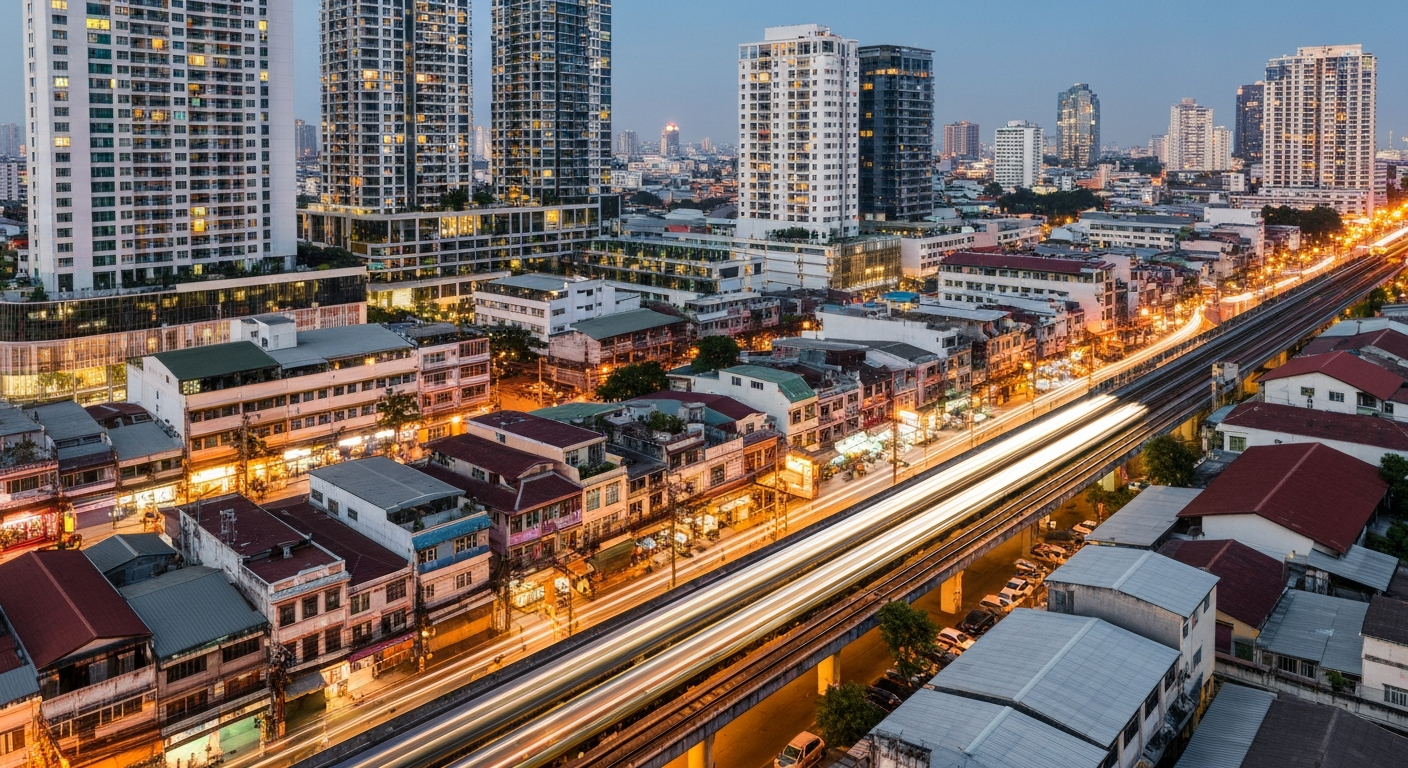
Silom — This is the heart of Bangkok's LGBTQ scene. Staying in Silom puts you walking distance from the bars and clubs on Silom Soi 2 and Soi 4, plus you are right next to the BTS Skytrain (Sala Daeng station) and Lumpini Park for morning walks. It is busy, convenient, and you will never be far from the action. Hotels here range from budget guesthouses to five-star properties.
Sathorn — Just south of Silom, Sathorn is slightly quieter but still very close to everything. It has excellent rooftop bars, embassies, and plenty of high-rise hotels. Connected to the BTS via Surasak and Chong Nonsi stations, it is a great choice if you want a more relaxed base without sacrificing convenience.
Sukhumvit — One of Bangkok's longest roads, Sukhumvit offers endless dining, shopping malls, and nightlife. While it is not specifically an LGBTQ area, it is cosmopolitan and welcoming. The BTS runs directly above Sukhumvit Road, making it easy to reach Silom in 15-20 minutes.
Riverside — For a romantic stay with river views, the Riverside area is beautiful and calm. Luxury hotels line the Chao Phraya River, and you can reach Silom by taxi or BTS in about 15-20 minutes from Saphan Taksin station.
Old Town (Rattanakosin) — If temples, history, and budget stays are your priority, the Old Town around Khao San Road is popular with backpackers. It is further from the LGBTQ nightlife, but taxis and tuk-tuks can get you to Silom in about 20-30 minutes depending on traffic.
Getting Around Bangkok: BTS, MRT, Grab, and Taxis
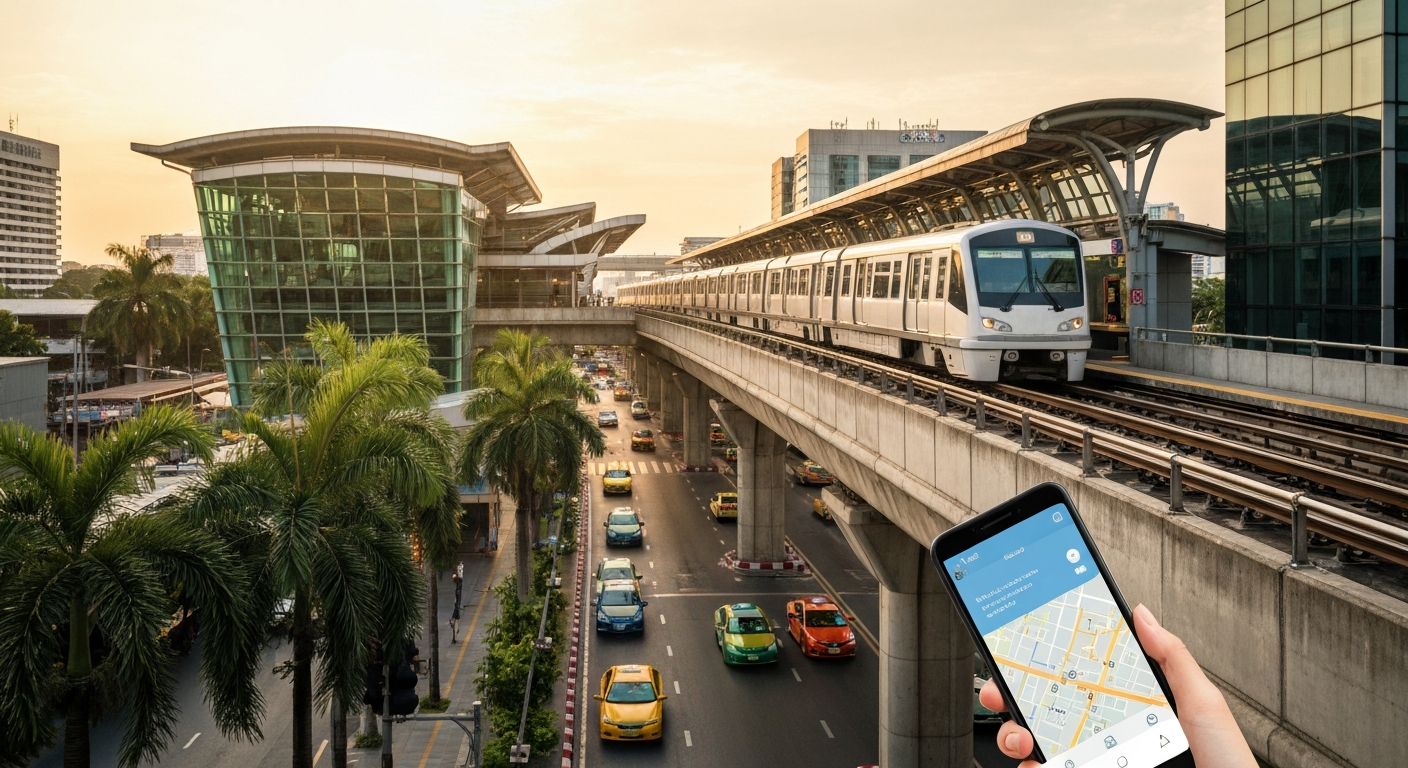
Bangkok's traffic is famously bad, so smart visitors use public transport. Here is what you need to know:
BTS Skytrain — The elevated train is the fastest way to get around central Bangkok. The Silom Line connects directly to Sala Daeng station, which is steps from Silom Soi 2 and Soi 4. The Sukhumvit Line connects the shopping districts and Sukhumvit Road. Trains are clean, air-conditioned, and easy to navigate with English signage.
MRT Subway — The underground metro connects to the BTS at several interchange stations (Sala Daeng/Silom, Asok/Sukhumvit, Mo Chit/Chatuchak Park). It is useful for reaching Chinatown, the train stations, and some less touristy areas.
Grab (Ride-Hailing App) — Grab is Southeast Asia's version of Uber and it works well in Bangkok. Download the app before you travel. It is safer than hailing a random taxi on the street and you know the price upfront. GrabCar is usually more comfortable than GrabTaxi.
Taxis and Tuk-Tuks — Metered taxis are plentiful and cheap, but insist on the meter or agree on a price before getting in. Tuk-tuks are a fun experience for short trips, but expect to negotiate and pay more than a taxi for the novelty. Avoid tuk-tuks that offer to take you to "special" shops — this is a common tourist scam.
Airport Rail Link — From Suvarnabhumi Airport (BKK), the Airport Rail Link takes you to Phaya Thai BTS station in about 30 minutes. It is fast, cheap, and avoids traffic entirely.
LGBTQ Nightlife: Silom Is Your Destination
Bangkok's LGBTQ nightlife is concentrated in Silom, and it is wonderfully easy to explore. Here is what a first-time visitor should know:
Silom Soi 4 — This street is lined with gay bars with outdoor terraces, making it perfect for starting your evening. You can sit outside with a drink, people-watch, and soak up the friendly atmosphere. The street is welcoming to everyone and it is common to see mixed groups of locals and international visitors. It gets busy from around 9pm onwards, especially on Friday and Saturday nights.
Silom Soi 2 — A short walk from Soi 4, this is where you will find DJ Station, Bangkok's biggest and most famous gay nightclub. It opens later (around 10pm) and features multiple floors, drag shows, and high-energy dance music. Just a two-minute walk away is G Bangkok (G.O.D.), which stays open even later and is popular with the after-hours crowd.
A Typical First Night Out — Start with dinner at one of the many restaurants near Silom, then head to Soi 4 for terrace drinks around 9pm. Move to DJ Station on Soi 2 around midnight for dancing and drag performances. If you still have energy, G Bangkok is nearby and goes late. End the night with street food — Silom has fantastic late-night food stalls serving everything from noodle soup to grilled skewers.
At the time of writing, most venues are open and busy. Opening hours and event schedules can change, so it is always smart to check current listings before you go.
Safety and Practical Tips for LGBTQ Visitors
Bangkok is generally safe for LGBTQ travellers, but common-sense precautions apply just as they would in any big city:
- Public displays of affection — Thailand is broadly tolerant, but overt PDA between same-sex couples (especially outside of LGBTQ-specific venues) can attract stares. Most couples find hand-holding in Silom or Siam areas is fine, but being mindful in more conservative areas or near temples is wise.
- Scams to avoid — If a tuk-tuk driver offers you a very cheap tour that includes a stop at a tailor shop or gem store, politely decline. If someone tells you a major attraction is "closed today," check for yourself — it is likely a scam designed to redirect you to a shop.
- Valuables and going out — Keep an eye on your phone and wallet in crowded clubs and bars, just as you would anywhere. Most venues are safe, but pickpocketing can happen in busy spaces.
- Drinks and meeting people — As with nightlife anywhere in the world, watch your drinks and trust your instincts when meeting new people. Bangkok is friendly, but staying aware keeps things fun and safe.
- Police and laws — Thai police are generally helpful to tourists. Thailand decriminalised cannabis in 2022 but regulations continue to evolve, and other drugs remain strictly illegal with severe penalties. Do not take risks.
Cultural Dos and Don'ts
Thai culture is warm, respectful, and deeply rooted in tradition. Knowing a few basics will help you feel more comfortable and earn you genuine smiles:
- Do smile — Thailand is called the Land of Smiles for a reason. A smile goes a long way in almost every situation, from ordering food to navigating a misunderstanding.
- Do respect temples — When visiting Buddhist temples, cover your shoulders and knees, remove your shoes before entering buildings, and avoid pointing your feet at Buddha images. This applies to everyone regardless of identity.
- Don't touch people's heads — The head is considered sacred in Thai culture. Avoid touching anyone's head, even playfully.
- Don't point your feet — Feet are considered the lowest and least clean part of the body. Avoid pointing your feet at people or sacred objects, and never put your feet up on furniture in a way that points at someone.
- Do learn a few phrases — "Sawasdee krap/ka" (hello) and "Khop khun krap/ka" (thank you) are appreciated by everyone. The polite particles "krap" (for men) and "ka" (for women) show respect.
Practical Visitor Tips
- Get a local SIM or eSIM at the airport — Data is cheap in Thailand and having maps and Grab available everywhere makes getting around effortless. AIS, TrueMove, and dtac all have booths at Suvarnabhumi Airport.
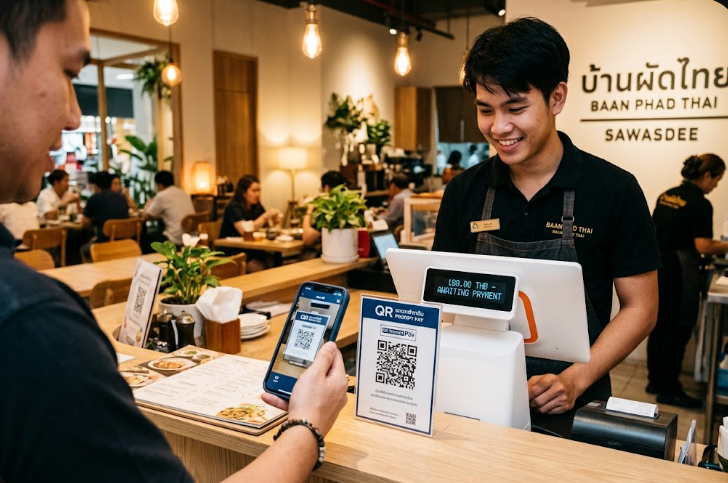
- Carry cash for small purchases — While cards are accepted in malls and hotels, street food stalls, markets, and smaller bars are cash-only. ATMs are everywhere but charge a 220-baht fee per withdrawal for foreign cards.
- Dress for the heat and the air-conditioning — Bangkok is hot and humid year-round. Light, breathable clothing is essential. But malls and BTS trains blast the air-conditioning, so carrying a light layer is surprisingly useful.
- Stay hydrated — You will sweat more than you expect. Bottled water is cheap and available everywhere. The Thai staple of fresh coconut water from street vendors is delicious and refreshing.
- Plan around the weather — November to February is the cool, dry season and the most comfortable time to visit. March to May is extremely hot. June to October is rainy season, but rain usually comes in short afternoon bursts rather than all-day downpours.
Recent News